
Deep Dive: Helium 10 Pricing Plans, Features, and Limits (What You Actually Get for Your Money)

Free Plan – What You Can Realistically Do at Zero Cost
The Free plan provides limited access to Xray (10 uses/month), basic keyword research through Magnet (2 uses/month), and restricted listing optimization tools. You can validate 1-2 product niches or test a single ASIN’s keyword landscape, but operational workflows break down quickly.
Tactical use case: Run a 60-minute product validation sprint using Xray to analyze top 10 competitors, Magnet for core keyword volume, and Cerebro for one competitor’s keyword profile. This gives you enough data to decide if a niche merits deeper investment.
The Free plan becomes operationally impossible beyond $10k/monthly revenue. You’ll hit usage caps within the first week of any serious keyword research or competitor analysis workflow.
Starter Plan – Launch & Light Operations on a Tight Budget
Starter unlocks increased usage limits: 20 Xray uses, 10 Magnet searches, basic Profits dashboard access, and limited PPC analytics. It’s viable for brands in the $10k–$50k/month range who are still validating product-market fit or running lean operations. However, you’ll quickly outgrow this tier as you scale SKUs or expand into multiple marketplaces.
Platinum Plan – The 7-Figure Seller’s Workhorse
Platinum is the default for most established sellers. It unlocks full keyword research, listing optimization, and basic PPC analytics. You get 2-3 user seats, robust keyword tracking, and access to Profits for real-time margin monitoring. This plan supports brands running up to 50 SKUs and $1M–$5M in annual revenue.
Profit lever: Use Profits to identify margin leaks and optimize COGS, which can drive a 2-3% EBITDA improvement. Leverage keyword tracking to systematically improve organic rank, reducing reliance on paid traffic.
Diamond Plan – Advanced Ops, Multi-Brand, and Team Collaboration
Diamond is built for teams managing multiple brands, advanced PPC, and cross-marketplace operations. It includes 5-8 user seats, advanced automation, and enhanced analytics. Features like Market Tracker 360 integration, bulk operations, and deeper reporting unlock profit levers at scale.
Profit lever: Automate PPC bid management and negative keyword harvesting to reduce wasted ad spend by 5-10%. Use Market Tracker 360 to identify expansion opportunities and avoid saturated niches, protecting margin and accelerating growth.
Elite & Enterprise – For Aggregators and Portfolio Operators
Elite and Enterprise tiers offer custom solutions for aggregators, agencies, and brands with 10+ users or highly complex operations. These plans provide priority support, advanced analytics, and custom integrations. For teams managing $10M+ portfolios, the incremental cost is negligible compared to the operational efficiency and margin protection delivered.
Profit lever: Centralize analytics and SOPs across brands, enabling faster decision-making and reducing operational drag. Advanced user management and reporting prevent costly errors and ensure accountability at scale.
Monthly vs Annual Helium 10 Pricing – Cash Flow vs Savings Trade-Off
Annual billing typically offers 20-25% savings across all helium 10 pricing tiers, but the cash flow impact varies significantly based on your brand’s financial position and growth trajectory. The decision requires balancing immediate capital preservation against long-term operational costs.
For sellers interested in optimizing their profit margins, you may also want to read about Amazon profit margin strategies that can further enhance your ROI from software investments.
Exact % Savings and Break-Even Horizon
Platinum annual saves approximately $360 yearly ($129 monthly vs $99 annual average), while Diamond saves roughly $960 annually ($359 vs $279). Break-even occurs at 8-9 months for most plans, making annual billing profitable if you’re confident about 12-month usage.
When a 7-Figure Seller Should Avoid Annual
Avoid annual subscriptions during brand pivots or tool stack testing phases. When evaluating multiple platforms simultaneously—comparing Helium 10 against Jungle Scout or Viral Launch—monthly billing preserves flexibility. Similarly, seasonal businesses with irregular cash flow patterns benefit from monthly commitments, allowing you to pause subscriptions during slow periods without losing annual prepayments.
Cash flow timing matters more for scaling brands than established operations. If you’re deploying capital into inventory expansion or new market entry, preserving monthly liquidity often outweighs the 20-25% annual discount. Set calendar reminders 7 days before renewal to reassess your commitment level quarterly.
When Annual Makes Financial Sense (With Real Numbers)
For established operations, annual billing becomes a trivial decision when viewed against operational profit levers. Consider a $5M brand spending $50,000 monthly on PPC: Diamond annual saves roughly $960 versus monthly billing. Meanwhile, a 3% TACoS improvement from better keyword harvesting generates $18,000 annually in recovered ad spend—nearly 19x the subscription savings.
The formula is straightforward: Annual savings = (monthly price – effective monthly on annual) × 12. Compare this to incremental profit from systematic tool usage. A 1% conversion rate lift driven by consistent listing optimization typically generates 10-50x more value than billing cycle savings for six-figure sellers.
Helium 10 Add-Ons, PPC & Market Tracker 360 – The Hidden Line Items in Your Tech P&L
PPC & Ads Tools – What’s Included vs What’s Extra
Platinum includes basic PPC analytics and keyword harvesting, but advanced automation features like dayparting rules and bid management require Helium 10 Ads as a separate add-on. For brands spending $20,000+ monthly on PPC, this automation typically saves 2-3 hours weekly while reducing wasted spend by 5-10% through better negative keyword management and bid optimization.
Diamond subscribers get enhanced PPC reporting and some automation features included, making the add-on cost-effective primarily for agencies managing multiple accounts. Evaluate PPC toolkit upgrades when your manual bid management exceeds 10 hours weekly or when TACoS variance across campaigns suggests systematic optimization gaps.
Market Tracker 360, Profits, and Advanced Analytics
Market Tracker 360 operates as a separate subscription tier, justified when tracking 10+ competitors across multiple marketplaces becomes strategically critical. Brands analyzing category market share for quarterly product line decisions often recover the annual cost through a single smart expansion choice, whether avoiding saturated subcategories or timing competitive launches.
The Profits dashboard includes comprehensive unit economics tracking in all paid plans, but advanced attribution and multi-marketplace profit reconciliation may require higher tiers. For portfolio brands or aggregators, this granular visibility prevents margin erosion that often goes undetected in basic seller dashboards.
For those interested in staying ahead of the competition, check out this competition tracker resource for Amazon sellers.
Additional Seats and User Management Costs
User limits vary by plan: Platinum typically includes 2-3 seats, while Diamond accommodates 5-8 users before additional seat charges apply. Agencies managing multiple brands often hit these limits quickly, making Enterprise-level subscriptions more cost-effective than seat-based pricing for teams exceeding 10 users.
Smart seat management involves centralizing logins with strict SOPs rather than purchasing individual access for occasional users. Reserve dedicated seats for daily users (PPC managers, catalog teams) while sharing credentials for weekly or monthly tasks like competitive research or profit reviews.
Estimating Your “True” Helium 10 Monthly Cost
| Cost Component | Typical Range | Usage Trigger | ROI Threshold |
|---|---|---|---|
| Base Plan (Platinum/Diamond) | $99-$279/mo | Core operations | 2-3% margin improvement |
| PPC Add-ons | $50-$150/mo | $10k+ monthly ad spend | 5% TACoS reduction |
| Market Tracker 360 | $200-$400/mo | Multi-market expansion | 1 avoided bad launch/year |
| Additional Seats | $30-$60/seat | Dedicated team roles | Saved analyst hours |
Map tools to specific roles and usage frequency: daily users justify dedicated features, while weekly tasks can share access. Sum only components used consistently—cutting “nice to have” features that don’t connect to measurable profit levers keeps your tech stack lean and ROI-focused.
Discounts, Coupons, and Trial Options – How to Stop Overpaying on Day One
Free Plan vs Trial – What’s the Difference in 2026?
Helium 10’s Free plan provides ongoing access to limited tool versions, while time-limited trials (when available) unlock full features for 14-30 days. Use the Free plan for slow-burn niche validation over weeks or months. Deploy trials for intensive “sprint” validation when you can dedicate 2-3 hours daily to focused research.
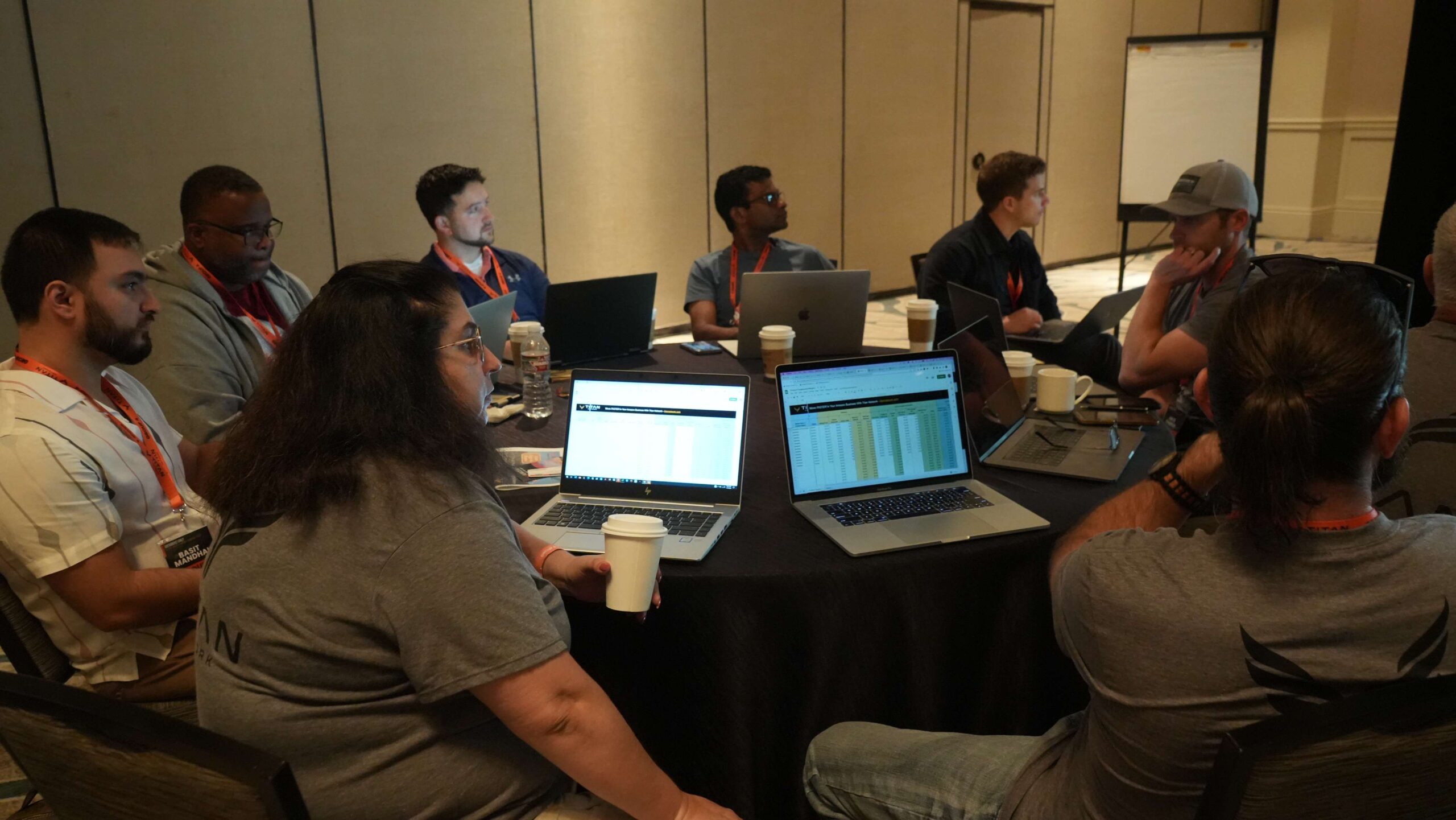
For those wanting to deepen their expertise, attending Titan Network Events or Titan Network Workshops can provide hands-on learning and networking with top Amazon sellers.
Understanding the difference between short-term and long-term ROI is crucial. For a broader perspective on how to evaluate investments, see this overview of return on investment.
Choosing the right technology for your business can be complex. For further reading, check out this guide on choosing the right technology for your small business.
Frequently Asked Questions
How should Amazon sellers evaluate Helium 10 pricing to maximize their EBITDA impact rather than just focusing on monthly fees?
Amazon sellers should assess Helium 10 pricing by measuring the profit levers each plan unlocks and the EBITDA uplift it drives, not just the sticker price. Prioritize plans that reduce TACoS, improve PPC efficiency, or streamline operations, ensuring the incremental cost translates into meaningful margin expansion and cash flow improvements.
What are the key differences between Helium 10 pricing plans and which plan is best suited for different revenue levels and team sizes?
Helium 10 plans scale by feature access, usage limits, and team collaboration tools. Free/Starter suits solo sellers under $250k focusing on validation; Platinum fits $250k–$1M sellers needing listing optimization and keyword tracking; Diamond targets $1–$5M sellers requiring advanced PPC and multi-marketplace support; Elite/Enterprise serves $5M+ sellers managing portfolios with strategic analytics and larger teams.
How do Helium 10 add-ons like PPC and Market Tracker 360 affect the overall cost and profitability for Amazon sellers?
Add-ons such as PPC management and Market Tracker 360 increase monthly expenses but deliver targeted insights that can lower ad spend waste and improve market positioning. When leveraged correctly, these add-ons enhance attribution accuracy and competitive intelligence, driving EBITDA gains that outweigh their incremental cost.
What factors should sellers consider when deciding between monthly and annual Helium 10 subscriptions to balance cash flow and savings?
Sellers should weigh upfront savings from annual plans against cash flow flexibility of monthly billing. Annual subscriptions offer discounts that improve ROI over time but require capital commitment; monthly plans provide agility to scale tool usage with business growth or pivot quickly without long-term lock-in.