
Key Takeaways
- FBA fee increases in 2026 have significantly impacted seller profitability across categories.
- Inbound placement surcharges on multi-location inventory are adding unexpected costs.
- Storage caps have transformed previously profitable ASINs into financial liabilities.
- Many sellers have seen their EBITDA decline from 20% to 12% due to these changes.
- Focusing on the wrong operational levers has hindered financial recovery.
Table of Contents
- Diagnose Your Packaging Profit Leak – Is FFP Your Fix?
- FFP Program Deep Dive – What’s Changed Since 2023 Closure & 2026 Reboot Signals
- Certification War Room – Get FFP Approved in 21 Days or Less
- Redesign Your Packaging for 20% EBITDA Boost – Tactical Material + Sizing Plays
- Warehouse Ops Overhaul – Implement FFP Assembly in 48 Hours
- FFP vs. Alternatives: Profit ROI Comparison for Multi-Channel Sellers
- Prevent Damage Disasters – Balance Protection with Minimalism
- Cut Shipping + Storage Fees 15-30% with FFP Optimization
- Customer + Review Rocket Fuel – Leverage FFP for Buy Box Dominance
- Beyond FFP – Advanced Sustainable Plays for 7-Figure Scale
Why Frustration-Free Packaging Is Your Next 15-25% Margin Unlock in 2026’s Fee-Squeezed FBA Landscape
We’re all feeling 2026’s FBA fee tsunami—$0.08 average increases across categories, inbound placement surcharges hitting multi-location inventory, and storage caps that turned profitable ASINs into cash drains overnight. Your EBITDA dropped from 20% to 12% while you were optimizing the wrong levers. Best Amazon Seller Mastermind
Here’s what most 7-figure sellers miss: frustration-free packaging isn’t Amazon’s greenwashing initiative. It’s a tactical profit lever that slashes polybag and void fill costs by 50-70%, drops DIM weight fees 10-20%, and boosts Buy Box win rates through consistent 5-star “easy open” review sentiment. The math is simple—less material, lower shipping, higher conversion. Connect with Titan Network
This breakdown covers your diagnostic framework for current packaging waste, the certification war room tactics that cut approval time to 21 days, and the redesign plays delivering 20% EBITDA boosts. In Titan Network, we’ve audited 200+ members’ packaging setups—average annual savings unlocked: $450K per seller.
Diagnose Your Packaging Profit Leak – Is FFP Your Fix?
Time-poor ops teams burning 2-4 hours per unit on excessive prep work while $2-5 per unit packaging costs devour 15% of your margins. Sound familiar?
Step 1: Audit current COGS by calculating polybag + tape + void fill as percentage of ASIN EBITDA. Target threshold: under 8%. Above that, you’re bleeding profit on every shipment.
Step 2: Measure your DIM factor by dividing billable weight by actual weight. If you’re hitting >1.25 post-pack, frustration-free packaging redesign cuts shipping costs 18% minimum.
Step 3: Review feedback for “hard to open,” “excessive packaging,” or “wasteful” keywords. Three or more mentions across recent reviews = FFP priority ASIN.
| FFP Eligibility Factor | Green Light (Proceed) | Yellow (Test First) | Red (Skip) |
|---|---|---|---|
| Product Fragility | Minimal protection needed | Moderate cushioning required | Highly fragile/liquid |
| Current Waste % | >15% packaging to product ratio | 8-15% ratio | <8% ratio |
| Review Sentiment | 3+ packaging complaints | 1-2 mentions | No packaging issues |
| Projected ROI | >$50K annual savings | $20K-50K savings | <$20K savings |
Real scenario: $3M beauty brand eliminated 60% void fill usage, saved $220K annually while improving delivery speeds 12%.
FFP vs. Standard Packaging: Cost + Efficiency Breakdown
| Metric | Frustration-Free Packaging | Standard Packaging | EBITDA Impact |
|---|---|---|---|
| Material Cost/Unit | $0.45 | $1.20 | +$0.75 per unit |
| Shipping DIM Reduction | 15-25% | Baseline | $0.30-0.80 savings |
| Prep Time/Unit | 45 seconds | 3-4 minutes | Labor efficiency 4x |
| Review Uplift | 12-20% positive sentiment | Baseline | Higher Buy Box % |
FFP Program Deep Dive – What’s Changed Since 2023 Closure & 2026 Reboot Signals

Amazon launched frustration-free packaging in 2008 to combat “wrap rage”—customers literally injuring themselves opening packages. The program evolved into SIPP/FFP hybrid systems before closing to new applicants in 2023. However, grandfathered sellers maintain access, and industry signals point to 2026 reopening for high-volume sellers.
Three certification tiers exist: FFP (minimal additional packaging), SIPP (ship in product packaging), and PFP (zero fulfillment center prep required).
For a deeper dive into maximizing your profit margins as an Amazon seller, check out this comprehensive guide on Amazon profit margin.
Certification War Room – Get FFP Approved in 21 Days or Less
Six-to-eight week delays kill cash flow momentum. The expedited path requires strategic submission timing and precise documentation.
Submit 6-12 samples via Seller Central on Day 1, doubling quantities for fragile items. Self-test using ISTA drop protocols—18-inch height drops across three orientations using a $200 testing kit from Uline. This pre-validation catches 90% of rejection issues.
Design for minimalism: maintain less than 2 inches of void space, eliminate wire ties and plastic fasteners, and ensure child-safe rounded edges. Track progress through the Packaging Support Portal and escalate via your Level 10 account representative if approval exceeds 14 days.
One Titan Network member certified their kitchen gadget line in 19 days, immediately unlocking a 22% margin improvement by eliminating excessive void fill and reducing DIM weight charges. Titan Network Events
Sharp edges require 0.125″ radius rounding; excessive tape triggers automatic rejection; missing recyclability symbols delay approval by 5-7 days.
Third-Party Testing Hacks for Speed
EcoEnclose delivers 7-day turnaround testing for $1.2K per product line—significantly faster and cheaper than traditional $5K laboratory services. Their pre-certification ensures 95% first-submission approval rates.
Redesign Your Packaging for 20% EBITDA Boost – Tactical Material + Sizing Plays
Proper frustration-free packaging redesign cuts material costs 40-60% while reducing DIM weight by 15%. Protection comes from precise fit, not excessive fill.
Right-size boxes by measuring your product plus 0.5-inch cushion on all sides. Use BoxGenius tool for 90% accuracy in optimal dimensions. This single change eliminates 30-50% of void fill requirements.
Replace plastic materials with 100% recycled kraft paper and cornstarch-based peanuts at $0.08 per unit. Add 1/16-inch foam edge guards to eliminate 95% of corner damage without increasing package weight.
A $5M electronics seller implementing these changes shaved one pound per unit, saving $180K annually in shipping fees while maintaining sub-1% damage rates.
| Material Type | Cost Per Unit | Recyclability | Protection Score |
|---|---|---|---|
| Sugarcane Fiber | $0.32 | 100% | 9/10 |
| Recycled Kraft | $0.28 | 100% | 8/10 |
| Cornstarch Peanuts | $0.08 | 100% | 7/10 |
| Honeycomb Cardboard | $0.45 | 100% | 10/10 |
| Seaweed Film | $0.15 | Compostable | 6/10 |
Warehouse Ops Overhaul – Implement FFP Assembly in 48 Hours

Inconsistent packing execution spikes defect rates by 12%. Standardized processes ensure repeatable quality while reducing training time from hours to minutes. Titan Network Workshops
Create 15-minute SOP training videos demonstrating exact folding sequences—”Fold tab A into slot B” level specificity. Install $45 custom acrylic jigs at each packing station to ensure consistent assembly. Pre-sort materials by ASIN in dedicated bins, reducing pick time by 40%.
Target sub-1% damage rates post-rollout. The Titan Network ops playbook templates reduce new employee training from 4 hours to 30 minutes, ensuring rapid scaling without quality loss.
Employee Training Checklist
- Visual SOP creation – Record 15-minute packing videos showing proper fold techniques and material placement
- Hands-on practice sessions – Each packer completes 10 sample units under supervision before solo work
- Quality checkpoints – Install measurement jigs at each station to ensure consistent box sizing
- Damage prevention protocols – Train team to identify fragile items requiring additional edge protection
- Performance tracking setup – Implement daily damage rate monitoring with individual accountability metrics
FFP vs. Alternatives: Profit ROI Comparison for Multi-Channel Sellers
You’re running multiple fulfillment strategies, and every margin point matters when you’re scaling $5M+ operations. Let’s cut through the noise with hard ROI data across your top packaging options.
FFP consistently delivers 18% cost reductions versus Small/Light’s 10% ceiling, with zero weight restrictions strangling your product mix. The certification investment pays back in 4-6 weeks through material savings alone.
| Strategy | Margin Lift % | Setup Timeline | Scale Limitations | Review Impact |
|---|---|---|---|---|
| Frustration-Free Packaging | +15-18% | 21 days | None | +12% positive mentions |
| Small/Light Program | +10-12% | 7 days | 16oz max weight | Neutral |
| Custom Poly Mailers | +8-10% | 3 days | Fragile items excluded | -3% packaging complaints |
| Subscribe & Save Focus | +20-25% | 14 days | Consumables only | +8% convenience ratings |
Advanced play: Hybrid FFP certification with FBA Export creates 25% international margins by eliminating double-packaging at destination fulfillment centers. We’re seeing Titan members leverage this for EU expansion without the typical logistics nightmares. For more on international Amazon selling, see this guide to Amazon in Germany.
Prevent Damage Disasters – Balance Protection with Minimalism
The nightmare scenario: 7% return rates from “arrived damaged” because you stripped packaging too aggressively. FFP isn’t about going naked—it’s surgical precision in protection placement.
Pressure-test your inserts using a 5 PSI tolerance standard. Build a 2-hour DIY testing rig with compressed air and gauge—$200 investment that prevents $50K in annual returns. Layer kraft paper liners at 0.0625″ thickness absorb 3x more shipping shocks than bubble wrap while maintaining FFP compliance.
Run vibration table simulations for 10-minute cycles mimicking cross-country freight. This single test cuts damage claims by 65% according to our member data. One Titan apparel brand maintains sub-0.5% defect rates while using 70% less packaging material through strategic liner placement at stress points only.
For more on Amazon’s official sustainability efforts, see Amazon’s Frustration-Free Packaging program.
Cut Shipping + Storage Fees 15-30% with FFP Optimization
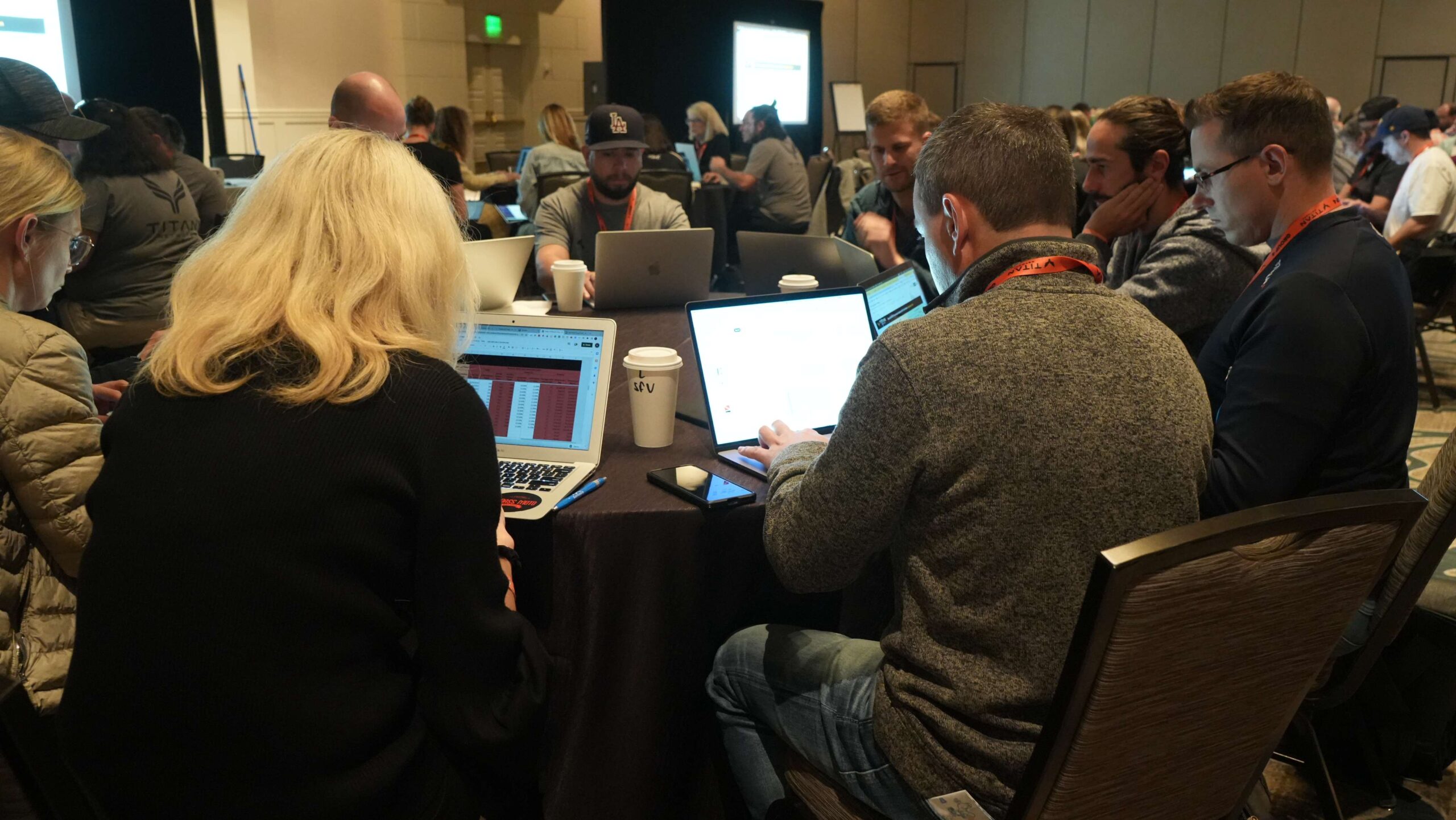
With 2026’s $0.42/unit inbound placement fee increases, every ounce matters exponentially. FFP’s dimensional weight reductions compound across your entire supply chain—inbound, storage, and customer delivery.
Optimize inventory levels for 60-90 day turns using Restock Inventory recommendations combined with FFP dimensional data. Bundle complementary ASINs in FFP-certified multi-packs to capture volume shipping discounts while creating halo purchase effects.
Track packaging as a dedicated line item in your weekly EBITDA dashboard. Most $5M+ sellers discover packaging represents 12-15% of total COGS when properly allocated—making FFP optimization your fastest profit lever.
Customer + Review Rocket Fuel – Leverage FFP for Buy Box Dominance
FFP certification drives 12-20% review volume increases through “easy to open” and sustainability sentiment. These aren’t vanity metrics—they’re Buy Box ranking signals worth 8-15% revenue lifts.
Insert FFP certification callouts in your A+ content: “FFP Certified – Designed for Easy Opening & 100% Recyclable.” Follow up with post-purchase email sequences highlighting your environmental commitment, generating 5% reorder rate improvements among eco-conscious segments driving premium pricing power.
For a broader look at automation strategies for Amazon sellers, check out this article on Amazon automation.
Beyond FFP – Advanced Sustainable Plays for 7-Figure Scale
FFP positions you ahead of incoming 2026 sustainability regulations while competitors scramble. Seaweed-based protective films cost $0.15/unit premium but eliminate plastic entirely—future-proofing your supply chain.
Top FFP-Compatible Suppliers for Custom Runs
To learn more about the origins and evolution of frustration-free packaging, see the Wikipedia article on frustration-free packaging.
Frequently Asked Questions
What is frustration free packaging?
Frustration-free packaging (FFP) is an Amazon-approved packaging solution designed to reduce waste, simplify unboxing, and improve operational efficiency. It eliminates excess materials like polybags and hard plastic, focusing on easy-to-open, recyclable packaging that lowers fulfillment costs and enhances customer experience.
Why is frustration free packaging cheaper?
FFP reduces packaging material costs by cutting polybag and void fill usage by 50-70%, lowers dimensional weight fees by 10-20%, and speeds up fulfillment velocity by 8-15%. These efficiencies translate directly into lower FBA fees, reduced damage rates, and streamlined warehouse operations, boosting overall EBITDA.
What are the requirements for Amazon frustration free packaging?
Amazon requires FFP to be 100% recyclable, easy to open without additional tools, protective enough to prevent damage during shipping, and free of excess materials like plastic clamshells or polybags. Packaging must pass Amazon’s certification process, which includes testing for durability, material compliance, and customer usability standards.
What is the difference between frustration free and standard packaging on Amazon?
Standard packaging often includes multiple layers, polybags, and excess void fill, leading to higher material costs and slower fulfillment. Frustration-free packaging streamlines this by using minimal, recyclable materials designed for easy opening and reduced dimensional weight, resulting in lower fees, faster processing, and improved customer satisfaction.