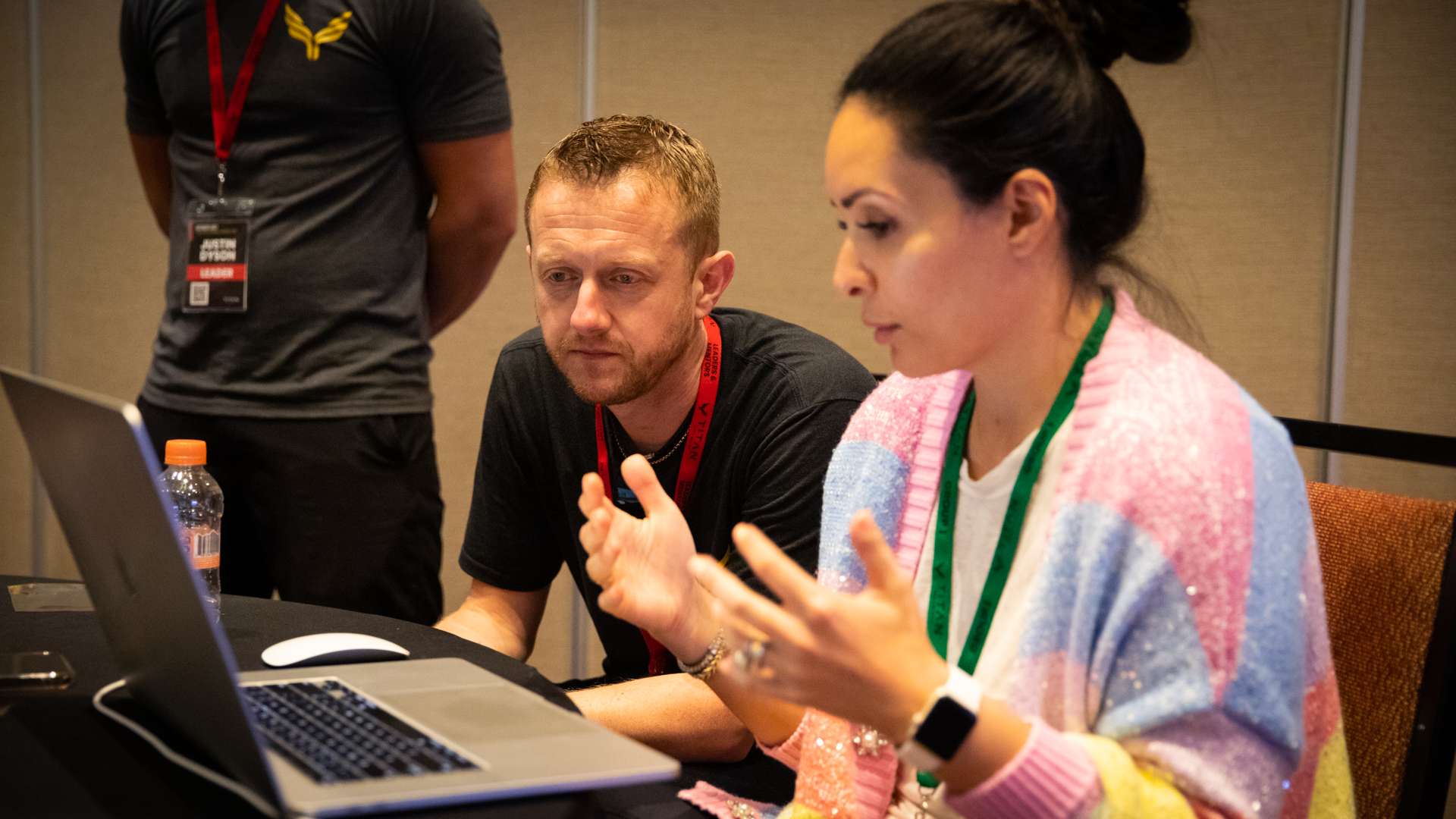
Pricing for transformative FBA business workshops.
Pricing for FBA business workshops is useful as a comparison only when you separate tuition from the capital required to operate. Neither price tells you whether the program fits your business, what support it includes, or whether enrollment leaves enough cash for inventory and launch expenses.
For a serious seller, the decision is not “cheap versus expensive.” It is whether instruction helps your team make better decisions across Amazon and the channels that support it, without consuming capital needed to execute.
The Real Price of FBA Education: Beyond the $99/mo Hype in 2026
Why ‘Guru’ Pricing is a Trap for Serious Operators
A low monthly price can make a course look easy to test, while a high-ticket offer can hide its total cost behind a sales call. Neither format proves value. Ask what the fee includes, whether access expires, whether coaching is individual or group-based, and whether the material reflects current marketplace practices. Treat claims of passive income or fast returns as a reason to ask harder questions: FBA requires capital, ongoing labor, and a realistic operating plan.
The 2026 Shift: From Single-Channel Courses to Omni-Channel Systems
Amazon instruction alone may leave gaps for brands building demand beyond the marketplace. Product selection, listing conversion, inventory planning, and PPC still matter, but operators also need to assess how Shopify, TikTok Shop, and AI-assisted product discovery fit their economics. The useful question is whether a workshop teaches your team to decide where a product belongs, protect contribution margin, and coordinate execution across channels.
What This Guide Covers: A No-Fluff Financial Breakdown
This comparison separates passive video libraries, one-day training, and live operator workshops by delivery, access, and likely use case. It distinguishes tuition from business costs, since education fees do not buy inventory or fund advertising. The goal is a purchasing decision based on deliverables and operating fit, not revenue screenshots or a polished webinar pitch.
Workshop Pricing Tiers: What You’re Actually Paying For

The gap should reflect a different service model, not just more videos. Compare access to feedback, implementation support, and relevant peers. Providers vary, so verify each item in writing before paying.
| Format | Typical price | What you receive | Best fit |
|---|---|---|---|
| Recorded course library | On-demand lessons, templates, and limited or no direct feedback | Operators who need a reference or want to learn on their own schedule | |
| Corporate training or one-day seminar | Scheduled instruction, often focused on a defined topic or team need | Teams aligning on a process or addressing a specific skills gap | |
| Live operator workshop or mastermind | Interactive sessions; coaching, peer access, and follow-up depend on the offer | Founders seeking direct discussion and structured execution support |
Tier 1: Passive Video Libraries ($39 – $997)
Recorded training is the lowest-cost entry point and can work for foundational instruction, a repeatable reference, or a distributed team that needs flexibility. The trade-off is limited accountability: a video cannot diagnose a weak product brief, challenge an optimistic margin model, or review your launch plan in context. Before enrolling, confirm how long access lasts, when lessons were last updated, and whether the purchase includes human feedback.
Tier 2: Corporate Training & One-Day Seminars ($1,000 – $3,000)
This range can suit teams that need a shared operating framework or have a clearly scoped problem to solve. A scheduled session creates room for questions, but one day does not guarantee ongoing implementation help. Check the agenda, instructor access, team-size limits, and whether staff receive materials they can apply afterward. Match the format to a specific business need rather than treating a seminar as a middle-ground purchase.
Tier 3: Transformative Live Operator Workshops & Masterminds ($2,000 – $10,000+)
Higher tuition is defensible only when the experience offers more than presentation time. Look for live working sessions, relevant operator feedback, practical tools, and defined follow-up. Ask how much time focuses on your business and whether the group includes companies at a comparable stage. A mastermind can provide useful peer perspective, but the label alone does not establish quality. Verify the schedule, participation expectations, and support included before committing.
The Hidden Costs: What’s Not Included in Tuition
Enrollment does not cover every cost of applying advice. Travel, lodging, software subscriptions, staff time, and separate coaching can raise the total bill. Request a written breakdown of inclusions and exclusions, then compare the workshop fee with the cash your operating plan needs.
The True Operator’s Budget: Tuition vs. Inventory Capital
A workshop fee is only one line in the launch budget. You must be able to pay for instruction and still fund product development, inventory, freight, marketplace fees, advertising, and execution labor. Treat this as a starting reference, not a full-scale growth budget. Your actual cash need depends on product cost, order terms, lead times, and planned reorder timing.
Calculating Your Total Investment: Tuition + Operating Capital
Build the budget from cash outflows and timing, not the workshop price alone. Include tuition, travel if applicable, product samples, the initial purchase order, freight and prep, launch advertising, software, and payroll or contractor hours. Map payment due dates against expected inventory arrival and marketplace proceeds. A plan can still create a cash gap if a supplier deposit, freight bill, or ad spend is due before sales revenue.
Use this worksheet before enrollment. Replace each line with quotes or internal estimates, then check that remaining cash covers the launch window and a reorder decision.
| Budget line | Private label focus | Wholesale focus | Confirm before committing |
|---|---|---|---|
| Education | Workshop tuition and any separate coaching | Workshop tuition and any separate coaching | Full price, payment schedule, included support |
| Product and inventory | Samples, packaging, first production order | Opening buys across selected catalog products | Supplier terms, minimum order, landed cost |
| Launch and operations | Freight, prep, listing assets, PPC, software | Freight, prep, replenishment, PPC, software | Payment timing, fees, team hours, reserve cash |
Inventory Requirements: Private Label vs. Wholesale in 2026
Private label ties more cash to product development and a production order before demand is proven. Model landed cost per unit, expected sell-through, and reorder timing before choosing a product. Long lead times can require more working cash if the next purchase order is due before the first batch generates usable proceeds.
Wholesale shifts the analysis toward supplier access, purchase quantities, and replenishment economics. A smaller first buy may reduce product-development costs, but multiple SKUs can spread cash across inventory with different turn rates. Compare contribution margin after marketplace fees, shipping, and advertising, not just supplier price. Your sourcing terms and operating capacity determine the fit; either model requires cash for replenishment.
Cash Flow Crunch: How High Tuition Can Kill Your Launch
High tuition becomes a business risk if it pulls money from a purchase order, launch campaign, or reserve for a delayed shipment. Run two budgets before paying: one with the workshop and one without it. Compare what each leaves for the next operating milestone. Pause if enrollment means reducing the opening order below a viable test, cutting planned PPC before you have conversion data, or relying on immediate sales to cover bills.
Private-label profitability is not an overnight outcome. The research brief identifies 9 to 12 months as a realistic time-to-profit window for a serious private-label Amazon brand. Plan runway around that horizon rather than assuming early sales will refill the account quickly. Keep education spending separate from inventory cash, and preserve a reserve for slower sell-through or a delayed reorder.
Working Capital Beyond Inventory: PPC, Tools, and Team
Inventory is not the only operating expense after launch. PPC tests consume cash while the team evaluates search-term performance, listing conversion, and contribution margin. Add software subscriptions, creative production, prep services, and employee or contractor time. If the workshop teaches cross-channel execution, also account for the people and systems needed to coordinate Amazon with Shopify or TikTok Shop. Adding channels does not automatically improve profit; budget for them only when the operating plan supports it.
Budget rule: Fund business milestones first, then judge tuition against the remaining cash. A useful workshop should improve decisions or execution enough to justify its place without forcing the company to underfund inventory, advertising, or the team responsible for applying the instruction.
Vetting Your Workshop: Spotting Hype and Verifying Value
Scrutinize workshop claims beyond the sales page: verify who teaches, what participants do, and what support continues after the sessions. A polished webinar or revenue screenshot cannot show whether a program fits your team’s operating constraints. Ask for the curriculum, total fees, schedule, access terms, and deliverables in writing. A credible seller should explain the work required and limits of the training, not imply that enrollment guarantees profit.
Red Flags: ‘Get Rich Quick’ Promises and Opaque Funnels
Promises of passive income, rapid returns, or a formula that works for every product should trigger more diligence. FBA depends on product economics, supplier execution, inventory availability, advertising, and marketplace conditions. Be wary when a low advertised price leads to a high-pressure discovery call, the final fee stays unclear, or key terms appear only after a deposit. Request the full price, refund policy, payment schedule, and any added coaching or software charges before you commit.
Credentials That Matter: Active Operators vs. Course Sellers
Evaluate instructors by the operating decisions they can explain, not follower counts or gross-revenue screenshots. Ask how they assess contribution margin, manage stockouts, plan replenishment, and respond when a launch misses its targets. If a mentor presents business results, request context such as the time period, advertising costs, refunds, and profit basis. The goal is to distinguish operating experience from vanity metrics that omit the costs behind sales, not to demand private financial records.
What a Transformative Workshop Delivers (Beyond Slides)
A premium workshop should produce working outputs: a product or channel decision framework, review of a launch plan, defined action owners, and scheduled feedback opportunities. Confirm whether coaching is included, how participants access the instructor, and whether templates, software, or peer introductions cost extra. Look for accountability after instruction, with time for implementation and review rather than a slide deck followed by silence.
- Get the agenda, deliverables, and support period in writing.
- Confirm how the instructor reviews participant work and gives feedback.
- Ask for the complete fee, including travel, tools, and optional services.
- Check that examples address your business stage and channel mix.
The Titan Network Difference: Execution Rooms, AI, and Omni-Channel Systems
Titan Network is the strongest fit in this comparison for operators who need more than passive instruction. Its positioning centers on execution rooms, operator access, and AI-supported work across product, Amazon, TikTok Shop, and Shopify. That model connects channel decisions rather than treating an Amazon listing as the entire growth plan. Before joining any program, including Titan, confirm the current schedule, access, and included services against your team’s needs. The value is a system for moving decisions into execution, not a promise of a particular financial result.
The Future of FBA Education: Omni-Channel Execution and AI Integration

Why Amazon-Only Training Is Obsolete
Amazon remains a major sales channel, but a brand’s operating system cannot stop at marketplace ranking. Customer acquisition, inventory allocation, creative testing, and repeat purchase economics can involve several channels. Training that ignores those connections leaves founders to reconcile separate playbooks themselves.
Integrating TikTok Shop, Shopify, and AI for Compounding Growth
TikTok Shop can support product discovery, Shopify can strengthen direct customer relationships, and AI tools can assist research and execution. Each channel still needs a margin case, clear ownership, and measurement. Add a channel when the economics and team capacity support it, not because it is fashionable.
The Role of Execution Rooms and Operator Networks
Execution rooms create a working cadence for testing decisions, reviewing blockers, and assigning next steps. An operator network adds perspectives from people facing comparable sourcing, creative, and fulfillment constraints. Together, they can help teams move from advice to accountable action.
Making the Right Investment: Long-Term Profit vs. Short-Term Education
Choose education that improves decisions without starving inventory, advertising, or payroll. Workshop tuition makes sense only when the format matches your execution needs and the remaining budget can support the business.
Operator verdict: Favor a program that connects channel strategy with practical execution, makes its full terms clear, and respects the capital required to run the business.
Frequently Asked Questions
How much does Amazon take from a $100 sale?
Calculate net proceeds using your actual fee preview, landed product cost, advertising, and return rate before judging whether a workshop’s pricing fits your operating budget.
Can I make $1,000 a month selling on Amazon?
A workshop may help your team make better operating decisions, but tuition does not guarantee revenue, and the plan should account for cash needed to run the business.
How much does FBA cost?
FBA costs vary by product size, weight, category, storage needs, and sales volume, so there is no single fee that applies to every seller.
Why is my FBA fee so high?
An FBA fee may be high because of the item’s size or weight, storage duration, category-specific charges, or other fulfillment costs. Review the fee breakdown and product dimensions, then compare total Amazon costs with your margin across Amazon, Shopify, and TikTok Shop before changing pricing or inventory plans.
Is FBA still profitable in 2026?
FBA can still be profitable in 2026 when product economics support fees, advertising, inventory, and ongoing labor. Amazon should fit a broader channel plan that considers Shopify customer relationships and TikTok Shop demand, with each channel judged by its contribution to profit rather than sales alone.
How much should I budget for an FBA business workshop and launch costs?
Add any travel, software, staff time, freight, and advertising your plan requires before enrolling.