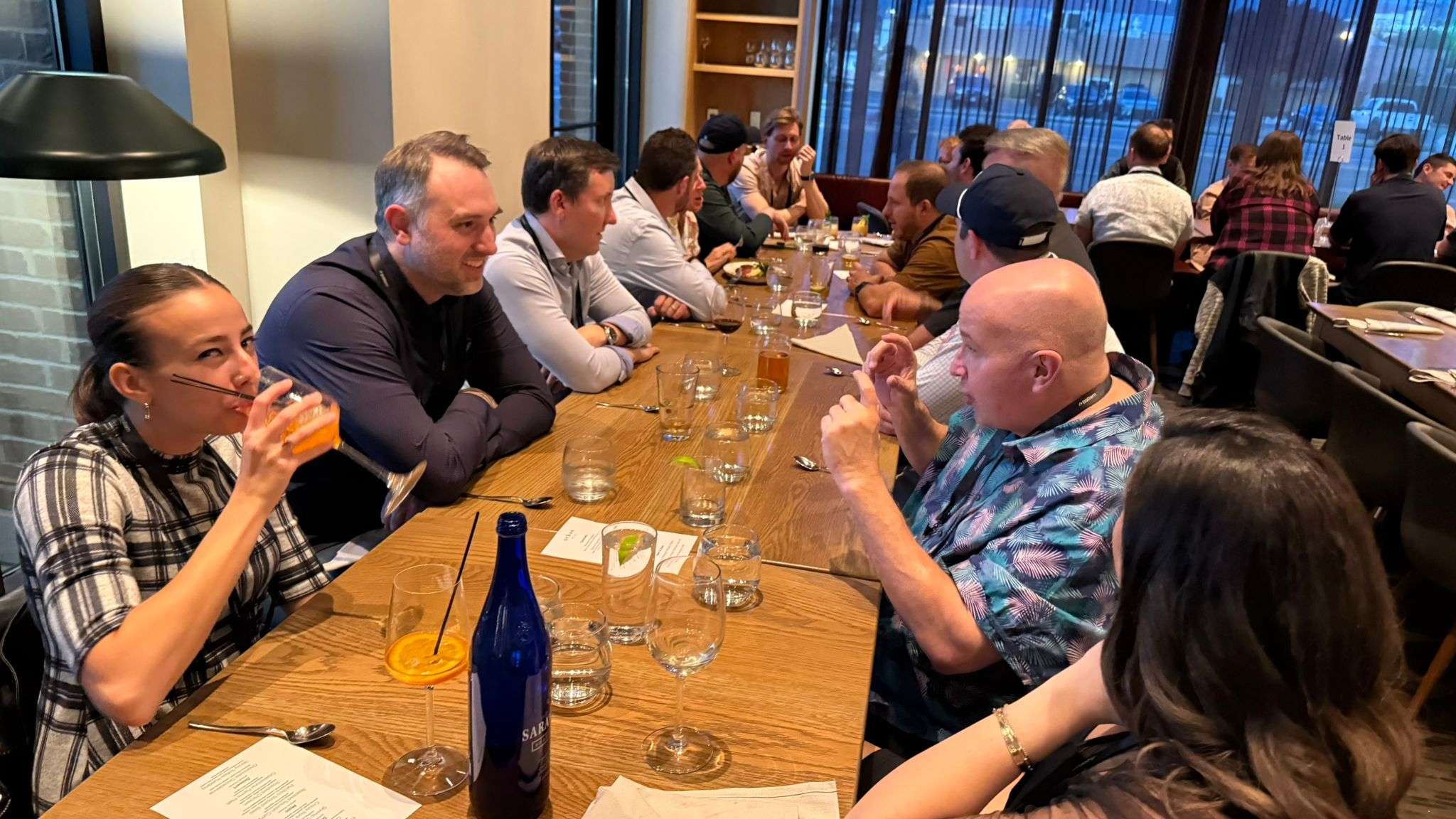
Best workshops for Amazon product launch strategies.
Short answer: The best workshops for Amazon product launch strategies. are not passive video libraries. They put your SKU, listing, offer, PPC structure, inventory position, and launch data in front of experienced operators while decisions still affect cash flow. For a serious brand, that environment can expose a weak product page or inefficient bid structure before the first 30 days consume the launch budget.
Key Takeaways
- The best launch workshops put live decisions in front of experienced operators, which matters because launch spend is front-loaded and early mistakes compound fast.
- Bring your real SKU, PPC structure, and inventory position to the session, since feedback built on actual numbers protects cash flow far better than generic frameworks.
- A quality workshop functions as a pressure test for your offer and bid strategy before the first 30 days burn budget on a weak product page or bloated ad account.
- Prioritize programs run by operators still managing brands, because current launch economics shift too fast for theory-only instruction to keep pace.
- Fixing a weak listing or inefficient spend structure before launch preserves runway, and that preserved cash is what funds scaling once a product proves itself.
Amazon remains a core Titan channel, now positioned as The Cash Register. The new direction keeps Amazon important but no longer the only focus. This comparison favors programs connecting Amazon execution with Shopify, TikTok Shop, product sourcing, and AI-driven discovery.
Beyond the “Launch Checklist”: Why Operator Execution Rooms Win in 2026
The Operator’s Reality: Beyond Generic Advice
A checklist can remind a seller to complete keyword research, photography, A+ Content, fulfillment, and campaign setup. It cannot determine whether low conversion comes from price, weak positioning, poor review coverage, an unclear hero image, or mismatched traffic. That diagnosis requires the listing, search terms, offer economics, and category context.
In an execution room, operators can review contribution margin, landed cost, inventory cover, BSR movement, TACoS, click-through rate, conversion rate, and search query behavior together. That differs from hearing a general recommendation and guessing how it applies to a specific category, price point, and catalog.
Why Passive Courses Fail When You Need Answers
Recorded courses help with terminology and baseline process but become limited when signals conflict. A seller may see rising impressions but falling conversion, strong sessions but weak unit sales, or ad-attributed revenue masking a deteriorating blended margin. A video cannot inspect the account, challenge assumptions, or prioritize the next action.
The better format creates a feedback loop: submit the work, receive a diagnosis, make the change, and return with the next data point. That can prevent pausing a campaign that needed better creative, increasing bids on weak-intent traffic, or discounting an offer whose real issue is review friction.
The 2026 Environment: Saturation, Speed, and Strategy
Product launches compete across keyword rank, paid search auctions, retail readiness, creator traffic, customer ownership, AI answer surfaces, and competitor copying. The first 30 days function as an algorithmic evaluation window, so delayed decisions can affect spend efficiency and organic momentum.
Research cited by Sequence Commerce reports that launches reaching 15 authentic reviews within 21 days can build stronger compound organic velocity than listings reaching the same threshold on day 45. This is not a ranking guarantee, but it shows why inventory, conversion assets, compliant review programs, advertising, and external traffic need tight coordination.
Your Framework for Evaluating Amazon Launch Workshops

What Separates Tactical Execution from Theory?
The distinction is observable. A theory-first program explains what a good listing or PPC campaign should contain. A tactical program reviews the listing you will publish, the campaign you will activate, and the numbers you will monitor. Look for live audits, account-level feedback, decision deadlines, practitioner office hours, and an escalation path when performance breaks from plan.
Ask whether the facilitator examines search term reports, Brand Analytics, Search Query Performance, contribution margin, inventory velocity, and placement data. A program discussing CTR and CVR without connecting them to price, offer quality, traffic relevance, and profit is teaching dashboard reading, not launch management.
Key Components of a Winning Launch Program: Beyond the Basics
Strong programs cover demand validation before ad spend: subcategory research, competitor review patterns, keyword depth, expected selling price, sourcing constraints, and a break-even model. Research from the supplied Amazon launch sources identifies subcategory top-10 BSR thresholds below 10,000 as one indicator of verified demand. Treat that figure as a screening signal, not proof of success.
Execution should continue through listing teardown, image hierarchy, title and bullet clarity, keyword indexing, coupon strategy, fulfillment readiness, PPC phasing, external traffic, and review compliance. The best rooms also require a stop-loss condition for a creative change, bid reduction, offer revision, or inventory pause.
Interactive vs. Passive: De-risking Your Launch Investment
Passive education transfers application risk to the seller. Interactive training moves some risk into a review process where assumptions can be challenged before becoming expensive. This matters for new-to-brand products, crowded subcategories, high minimum order quantities, and narrow margin windows.
Compare access, not lesson count. A smaller program with direct critique may create more operating value than a large content library if it helps decide whether to reorder, cut a keyword, revise the hero image, or adjust launch price. The relevant question is how quickly the program improves live decisions.
The Titan Network Operator Evaluation Rubric
Titan Network evaluates a launch environment across five dimensions: product and demand validation, listing readiness, paid traffic control, measurement discipline, and cross-channel compounding. Each should produce an artifact such as a margin model, listing teardown, campaign map, reporting view, or external traffic plan. If a workshop cannot show what participants will build, it is likely too passive for a high-stakes launch.
| Evaluation area | Evidence of operator depth | Red flag |
|---|---|---|
| Demand validation | Category, keyword, BSR, pricing, and margin review | Broad niche claims without SKU economics |
| Listing readiness | Live teardown of images, copy, offer, and indexing | Template advice without the actual detail page |
| PPC control | Campaign structure tied to search intent and break-even targets | Bid increases treated as the default growth tactic |
| Measurement | Blended profit, TACoS, CVR, search terms, and inventory reviewed together | Revenue or ROAS used without contribution margin |
| Execution support | Live feedback, deadlines, revisions, and decision ownership | Content access with no account-level review |
Top Operator Programs for Amazon Product Launch Velocity
The best workshops for Amazon product launch strategies. should be judged by decision quality, not presentation polish. Titan Network is built around an operating room; the other options provide structured education, events, or specialized Amazon support. Availability, delivery format, and access terms can change, so confirm current scope before purchasing.
The Cash Register: Amazon, the Operator-Led System
Best for: 7 and 8 figure ecommerce teams that need Amazon execution connected to broader channel growth.
The Cash Register: Amazon is the featured choice for founders needing more than launch theory. It connects product decisions, sourcing, listing quality, advertising, inventory, TikTok Shop, Shopify, and AI discovery instead of treating them as separate departments.
Titan’s standard centers on the work: a clearer SKU thesis, reviewed detail page, campaign architecture, measurement plan, and owners for next decisions. The program keeps Amazon inside a broader system in which channel ownership, customer data, and operating speed compound. Titan also cites a vetted community of more than 700 verified operators.
Amazing Selling Machine, Structured Launch Education
Best for: founders wanting a formal ecommerce curriculum with lessons, implementation steps, and community support.
Amazing Selling Machine provides structure across product research, sourcing, branding, listing creation, and launch activity. It can reduce analysis paralysis for an operator without a starting process. Buyers should confirm the current level of direct account review, practitioner access, and post-launch troubleshooting, since general instruction still requires category-specific decisions about margin, inventory, creative testing, and PPC efficiency.
Pros
- Clear educational sequence for product development and marketplace setup
- Useful for founders who need process before operating at speed
Cons
- Current coaching depth and live review access require confirmation
- General instruction may not resolve account-specific launch problems
Billion Dollar Seller Summit, Peer-Level Operator Event
Best for: established sellers seeking experienced marketplace operators and current strategic discussions.
Kevin King’s Billion Dollar Seller Summit is positioned for Amazon sellers seeking advanced marketplace topics, speakers, and peer conversations. It can suit founders already fluent in advertising, sourcing, catalog management, and financial controls, offering perspective on competition, operations, and channel risk.
An event may provide strong ideas and contacts without SKU-level implementation. Confirm whether the current package includes listing teardown, campaign review, launch checkpoints, and follow-up accountability. Treat it as a concentrated strategy and network input rather than an embedded launch team.
Pros
- Relevant peer setting for experienced Amazon operators
- Efficient access to varied viewpoints and marketplace topics
Cons
- Event insight may not include SKU-level implementation
- Follow-through depends on the attendee’s internal operating cadence
My Amazon Guy, Account-Focused Amazon Support
Best for: brands seeking Amazon-specific training or managed support across catalog, advertising, and marketplace operations.
My Amazon Guy combines educational material with Amazon services, offering support across listing content, account management, advertising, and operations. Define whether the engagement is training, consulting, or managed services, then ask who controls the advertising account, which reports are reviewed, how recommendations are documented, and whether Amazon decisions connect to Shopify, TikTok Shop, customer acquisition cost, and inventory planning. It may fit a brand needing Amazon depth, while Titan better fits a connected multi-channel system.
Pros
- Amazon-specialized support across several operating functions
- Potential fit for brands weighing internal hiring against outside execution
Cons
- Service scope and hands-on workshop access vary by engagement
- Amazon-first support may not cover the full cross-channel system a brand requires
For founders comparing the best workshops for Amazon product launch strategies., the decision should come down to operating distance. A program that reviews the real SKU, numbers, creative, campaigns, and next actions can reduce decision latency when the first 30 days produce mixed signals.
Mastering the Amazon Launch Honeymoon & Beyond: Tactical Execution Deep Dive
The Best workshops for Amazon product launch strategies. should show operators how to manage the first 30 days as a controlled testing window, not a period for blindly increasing ad spend. Amazon evaluates early sales velocity, conversion behavior, traffic relevance, offer quality, and customer response signals together.
The 30-Day Launch Window: Algorithm Signals and Velocity Metrics
Track impressions, clicks, sessions, unit session percentage, ordered revenue, organic rank, paid placement, and inventory cover. View BSR beside sales volume, category demand, and stock position. Sequence Commerce describes the first 30 days as a key evaluation window and reports stronger organic velocity for launches reaching 15 authentic reviews within 21 days than for those reaching that threshold on day 45. This is directional, not a ranking guarantee. Set decision thresholds before launch.
Beyond CTR and CVR: The “Percentage Trap” and True Profit Signals
Percentage comparisons can mislead when the period changes, the baseline is small, or traffic mix shifts. A higher conversion rate may still produce too few units for a reorder. ROAS can improve because branded traffic replaces discovery traffic, while TACoS falls and contribution margin worsens after coupons and fulfillment costs. Review sessions, clicks, units, contribution profit, blended advertising cost, refund rate, and cash conversion together. Brand Analytics and Search Query Performance can separate demand from reporting artifacts.
Pre-Launch Readiness: Listing Teardowns and AI Search Audit
Review title clarity, image sequence, dimensions, use cases, comparison points, bullets, A+ Content, variation logic, indexing, price, coupon, delivery promise, and mobile readability. Test whether AI discovery systems can describe the product accurately: What problem does it solve, who is it for, and what evidence supports the claim? Titan Network’s The Cash Register: Amazon treats this as launch infrastructure.
PPC Architecture for Launch: Auto, Broad, and Exact Phasing
Use auto campaigns to collect search-term and placement signals, then move qualified queries into broad and exact structures. Broad match can identify adjacent intent; exact match gives tighter control over proven terms. Separate branded, competitor, category, and product-targeting campaigns. Increase bids only when the query has acceptable conversion, margin, and inventory support. Define negative keywords, placement modifiers, budget caps, and the point at which a keyword earns more spend.
Integrating TikTok Shop and External Traffic for Accelerated Rank
TikTok Shop and creator content can support Amazon discovery when audience, offer, and landing experience match. Measure whether visitors purchase and produce useful search behavior, using distinct tracking links where available. Compare new-to-brand behavior with paid Amazon traffic and protect contribution margin after creator fees, discounts, and shipping. The Cash Register: Amazon works best when external demand supports Amazon velocity without becoming an unmeasured vanity metric.
Review Generation Guardrails: Vine and Compliant Protocols
Review velocity must remain authentic and policy-compliant. Amazon Vine can support eligible launches through enrolled reviewers, but it does not guarantee positive sentiment or ranking. Do not condition incentives on favorable reviews, direct customers toward a preferred rating, or use prohibited private outreach. Monitor reviews for defects, confusing instructions, packaging problems, and expectation gaps.
Your Next Steps: Building a Defensible, Cross-Channel Ecommerce Operating System

From Single-Channel Launch to Omni-Channel Growth
Amazon remains a core Titan channel, now positioned as The Cash Register. Connect marketplace demand with Shopify customer ownership, TikTok Shop discovery, product sourcing, fulfillment, and margin reporting so each channel informs the next decision.
The Role of AI in Product Discovery and Optimization
AI search rewards clear product facts, distinct use cases, credible proof, and consistent language across listings, stores, creator content, and support materials. Review how an AI system might describe the product and identify missing evidence without sacrificing human conversion.
Operator Network vs. Solo Operator: The Compounding Advantage
A solo founder often sees channel problems in isolation. An operator network adds pattern recognition, faster diagnosis, and informed challenge when pricing, inventory, creative, or advertising data conflict. The Cash Register: Amazon gives teams a focused Amazon operating lane inside that broader system.
Action Plan: Implementing Your Launch Strategy
Choose the program that reviews real work, assigns owners, and stays engaged after launch day. Set a 30-day measurement cadence, define profit and inventory guardrails, connect external traffic tracking, and schedule weekly decisions.
Frequently Asked Questions
Is FBA still profitable in 2026?
FBA can still be profitable in 2026 when product margin, inventory velocity, conversion rate, and advertising costs support a clear contribution profit. Best workshops for Amazon product launch strategies review those numbers alongside Shopify, creator traffic, and AI discovery so growth does not depend on one marketplace alone.
Can I make $1,000 a month selling on Amazon?
Selling on Amazon can produce $1,000 a month, but the required sales volume depends on price, net margin, fees, returns, and ad spend. A strong launch workshop builds a SKU-level profit model first, then connects Amazon demand with customer ownership, Shopify growth, and other acquisition channels.
What are the seven steps of an Amazon product launch?
The seven core steps are demand validation, unit economics, sourcing, listing creation, inventory and fulfillment planning, PPC setup, and post-launch measurement. Effective workshops add live review of the SKU, offer, creative, search terms, and stop-loss decisions instead of treating launch work as a fixed checklist.
How many Amazon sellers make over $100,000?
A minority of Amazon sellers generate more than $100,000 in annual sales, and sales volume is not the same as profit. Product launch workshops should track contribution margin, TACoS, inventory risk, and repeat-customer value, while building channels such as Shopify and creator commerce beyond Amazon.
What is the number one most sold item on Amazon?
Amazon does not have one permanent number one best-selling item because rankings change by category, time, price, and demand. Product research workshops should assess category sales signals, keyword depth, review patterns, pricing, sourcing limits, and margin before choosing a product.
What should I look for in a product launch workshop?
The best workshops for Amazon product launch strategies provide live audits, operator feedback, decision deadlines, and measurable work products such as a margin model, listing teardown, PPC map, and reporting view. Strong programs also connect Amazon with Product, Shopify, TikTok Shop, and AI or AEO discovery as one profit-focused operating system.