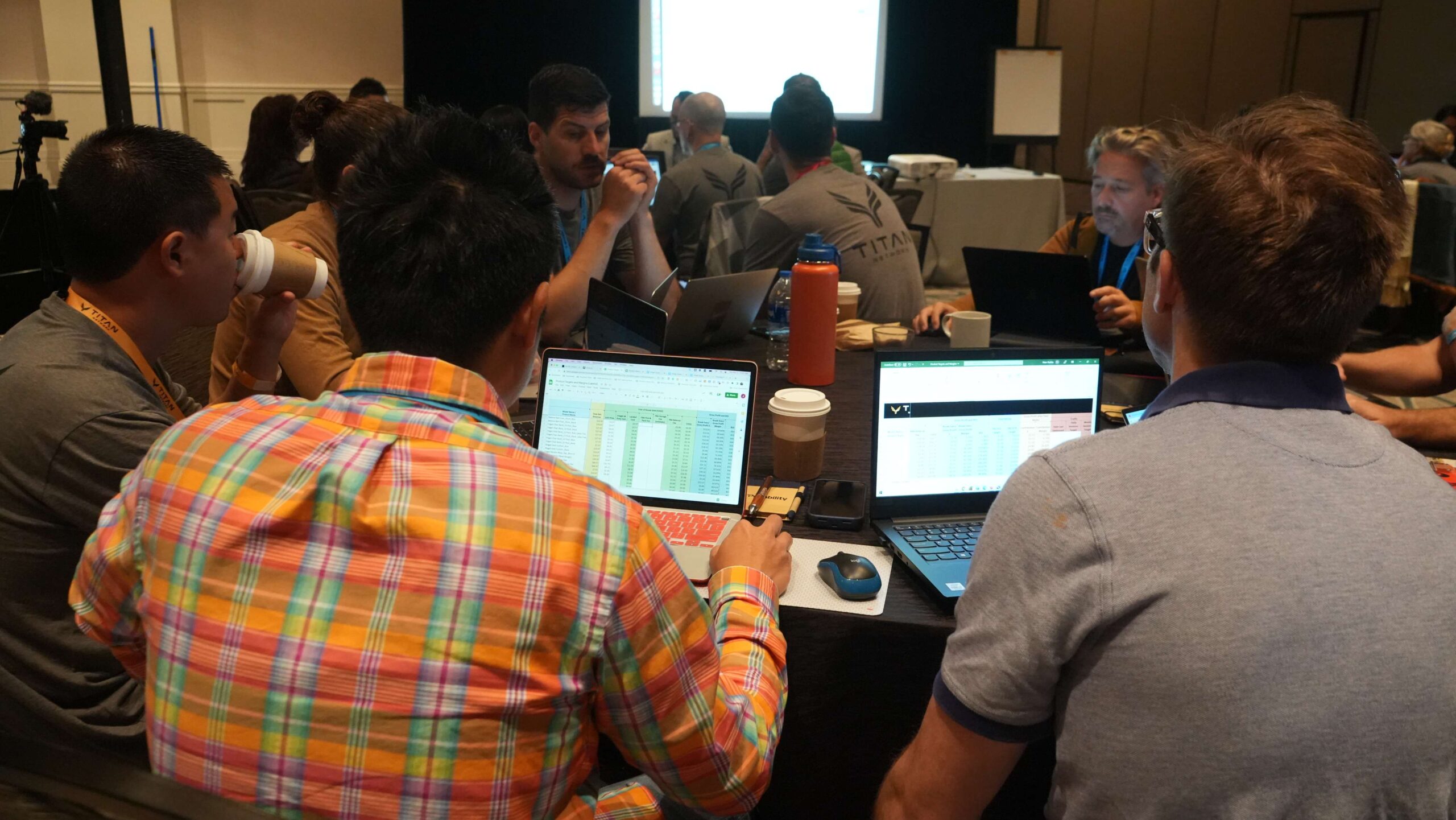
Best systems for 7-figure Amazon expansion.
Beyond the Million: Building Your 7-Figure Amazon Operating System
The best systems for 7-figure Amazon expansion center on integrated financial controls, full-funnel marketing automation, and scalable operations. Success requires moving from reactive tactics to predictive frameworks that manage cash flow, inventory velocity, and team accountability across every touchpoint.
The Shift: From Tactics to Integrated Frameworks
You’ve cracked the code to seven figures, but now the real challenge begins. The same hustle that got you here will burn you out at scale. At this level, every decision ripples through multiple departments, affecting EBITDA in ways most sellers never anticipate.
Moving beyond tactics means building predictable processes that run without your constant oversight. Your PPC campaigns should trigger inventory reorders. Customer service metrics should inform product development. Financial dashboards should predict cash flow gaps three months ahead.
Why Frameworks Trump Tricks at Scale
Individual tactics create temporary wins. Frameworks create compounding growth. When you’re managing 50+ SKUs and processing thousands of orders weekly, you need automation that prevents stockouts while maintaining healthy margins.
Strategic thinking means your advertising spend automatically adjusts based on inventory levels. Pricing algorithms factor in competitor moves and seasonal trends. Your team operates from standardized procedures that maintain quality regardless of who executes them.
Your 7-Figure Blueprint: The Core Pillars
Scalable growth rests on four integrated pillars: financial control that predicts and optimizes cash flow, marketing that drives predictable traffic and conversions, operations that scale without breaking, and team processes that execute consistently.
Each pillar supports the others. Financial controls inform marketing budgets. Operational efficiency enables aggressive pricing strategies. Team processes ensure consistent execution across all channels. When properly integrated, these pillars create the foundation for sustainable eight-figure growth.
The Profit Engine: Advanced Financial & Inventory Control
Mastering Margin: Beyond COGS and PPC Spend
Your margin analysis needs to go deeper than basic COGS calculations. At seven figures, hidden costs like storage fees, return processing, and seasonal demand fluctuations can silently erode 15-20% of your EBITDA. Build margin tracking that captures every variable: promotional costs, chargebacks, inventory carrying costs, and the opportunity cost of tied-up capital.
Implement dynamic pricing algorithms that adjust based on competitor moves, inventory levels, and seasonal patterns. Pricing should automatically increase when competitors stock out and decrease strategically to maintain velocity during slow periods. Smart frameworks include real-time margin calculators that factor in all variables before making pricing decisions.
Forecasting for Velocity: Preventing Stockouts and Overstock
Demand forecasting at scale requires analyzing multiple data streams: historical sales velocity, seasonal trends, advertising performance, and external market factors. Your process should predict demand 90-120 days ahead, accounting for lead times and seasonal variations that can make or break your cash flow.
Connect forecasting directly to purchase orders and cash flow planning. When your analysis predicts a stockout in 45 days, it should automatically generate purchase recommendations and flag the cash requirement. This prevents the feast-or-famine cycle that destroys seven-figure growth momentum.
Cash Flow Automation: Fueling Sustainable Expansion
Cash flow management becomes exponentially complex as you scale multiple product lines. Build automated tracking for cash conversion cycles, funding gap predictions, and payment timing optimization. Your process should model different growth scenarios and their cash requirements months in advance.
Scaling Your Reach: Integrated PPC, Brand Building, and External Traffic
The Full-Funnel PPC Machine: From Awareness to Conversion
Your PPC strategy needs sophisticated automation that optimizes across the entire customer journey. Build campaigns that move prospects from broad awareness through consideration to conversion, with bid adjustments based on customer lifetime value and inventory levels. Your process should automatically pause low-inventory campaigns and boost high-margin products.
Implement attribution modeling that tracks the complete customer path. Many seven-figure sellers undervalue their brand and video campaigns because they only measure last-click attribution. Smart tracking should credit awareness campaigns for their role in final conversions, enabling smarter budget allocation across campaign types.
Brand Authority: Beyond Listing Optimization to Community
Brand building at scale requires systematic content creation and community engagement. Develop processes for consistent social media presence, email marketing, and customer education that position your brand as the category authority. Your workflow should automate content distribution while maintaining authentic engagement with your audience.
Create feedback loops between customer insights and product development. Brand-building efforts should systematically capture customer preferences, pain points, and feature requests that inform your next product launches. This intelligence becomes your competitive moat as you expand your product line.
Diversifying Revenue: Strategic External Traffic Integration
External traffic diversification protects against Amazon policy changes while expanding your total addressable market. Build processes that drive qualified traffic from Google, social media, and email directly to your Amazon listings while maintaining compliance with Amazon’s terms of service.
External traffic should integrate with your Amazon advertising data to create unified customer profiles. This enables retargeting campaigns that re-engage visitors across multiple touchpoints, improving your overall conversion rates and customer lifetime value.
The Scalable Machine: Team, Operations, and Process Automation
Building Your Elite Team: Delegation and Accountability
At seven figures, your biggest bottleneck shifts from capital to talent. Build systematic hiring processes that identify candidates with Amazon-specific experience and a growth mindset. Onboarding should include comprehensive training modules, performance metrics, and clear advancement paths that retain top performers.
Implement accountability tracking for individual and team performance against revenue goals. Your team structure should include dedicated roles for PPC management, inventory planning, customer service, and business development. Each role needs specific KPIs tied directly to EBITDA impact, creating alignment between individual performance and company profitability.
Operational SOPs: Standardizing for Predictable Growth
Standard operating procedures eliminate the chaos that kills seven-figure momentum. Document every repeatable process: product research workflows, supplier communication protocols, quality control checklists, and crisis management procedures. SOPs should enable any qualified team member to execute tasks consistently.
Technology Stack: The Unseen Engine of Efficiency
Your technology infrastructure should automate routine tasks while providing actionable intelligence. Integrate inventory management, financial reporting, customer service, and marketing analytics into unified dashboards that enable data-driven decisions. Your tech stack should eliminate manual data entry and provide real-time visibility into business performance.
Connect your tools to prevent information silos that create operational blind spots. When your PPC manager adjusts ad spend, your inventory team should automatically receive updated demand forecasts. When customer service identifies product issues, your sourcing team should receive immediate alerts to address quality concerns.
The 7-Figure Expansion Playbook: Integrating for Unstoppable Growth
Process Connection: How Your Operations Work Together
Integration turns standalone functions into a coordinated operating machine. Financial reporting should inform inventory adjustments, which should shape PPC budgets and pricing decisions. When these processes communicate seamlessly, you build advantages that compound over time.
Build feedback loops that continuously optimize performance across all functions. Customer feedback should inform product development, inventory planning, and marketing messaging simultaneously. This integrated approach accelerates decision-making while reducing the risk of costly mistakes.
The Titan Network Advantage: Structured Frameworks and Peer Accountability
Titan Network provides a structured framework that turns theory into execution. Through proven playbooks, custom-built tools, and peer accountability, members implement integrated processes that support sustainable seven-figure growth. The platform connects verified sellers who share real-world insights about scaling challenges and solutions.
Your Next Step: Implementing Your 7-Figure Operating Machine
Start with your biggest profit leak, whether that’s inventory management, margin optimization, or team accountability. Implement one integrated process completely before adding complexity. Smart expansion succeeds through disciplined execution rather than trying to implement everything at once.
Focus on processes that produce immediate EBITDA impact while building long-term scalability. Your seven-figure operating machine becomes the foundation for eight-figure expansion, creating sustainable competitive advantages that compound as you grow. The sellers who master integrated processes today will dominate their categories tomorrow.
Frequently Asked Questions
What's the real challenge for Amazon sellers once they hit six figures?
You’ve done great getting to six figures, but the jump to seven is a different beast. The hustle that got you there will burn you out at scale. The real challenge is moving from reactive tactics to predictive, integrated systems that manage every aspect of your business.
What kind of tools do 7-figure Amazon sellers need to scale effectively?
Generic tools won’t cut it when you’re managing dozens of SKUs and thousands of orders. Seven-figure sellers need custom-built tools designed by sellers, for sellers. These tools should automate high-value tasks, improve decision-making, and prevent issues like stockouts while maintaining healthy margins. For example, Titan Tools™ are specifically designed for this purpose.
What's the key to consistent, high-level revenue growth on Amazon, beyond just hitting a target?
Hitting a revenue number once is good, but consistently growing past it, that’s the real game. The key is building predictable processes and integrated systems across your business. This means your PPC campaigns trigger inventory reorders, and your financial dashboards predict cash flow gaps months ahead. Consistent growth comes from compounding systems, not temporary wins.
Is selling on Amazon still a viable platform for significant growth in the coming years?
Absolutely. The Amazon marketplace is always evolving, but the opportunity for serious sellers is still massive, if you play it right. For sellers with integrated systems that manage cash flow, inventory, and team accountability, Amazon remains a powerful platform for sustainable expansion. It’s about adapting with smart systems, not just chasing fleeting tricks.
How do 7-figure Amazon sellers manage cash flow to avoid growth plateaus?
Cash flow is often the silent killer for growing businesses. Seven-figure sellers implement advanced financial control systems that predict and optimize cash flow months in advance. This involves dynamic pricing, real-time margin calculators, and demand forecasting 90-120 days out to prevent stockouts and overstock. It’s about modeling cash requirements for growth.
Why do systems matter more than individual tactics for scaling an Amazon business?
I’ve seen too many sellers hit a wall because they’re great at tactics but lack interconnected systems. Individual tactics create temporary wins, but systems create compounding growth. When your PPC automatically adjusts based on inventory, and your pricing algorithms factor in competitor moves, you eliminate profit conflicts. Systems ensure predictable processes and consistent quality, regardless of who is executing.
What are the core pillars for building a successful 7-figure Amazon operating system?
To truly scale, you need a blueprint, not just a collection of strategies. The best systems for 7-figure Amazon expansion rest on four integrated pillars: financial control, marketing, operational, and team systems. Each pillar supports the others, creating a foundation for sustainable growth. Your financial systems, for example, directly inform your marketing budgets.
About the Author
Dan Ashburn is the Co-Founder at Titan Network. The world’s leading community for Amazon sellers scaling to 7 and 8 figures. A former top 1% Amazon FBA seller turned growth strategist, Dan has spent the last decade engineering data-driven campaigns that have generated hundreds of millions in marketplace sales and DTC revenue for Titan’s partners.
At Titan Network, Dan, alongside his cofounder Athena Severi and their team of top talent, architects full-funnel growth frameworks that help margin-squeezed, time-poor brands unlock quick wins, shore up profits, and expand beyond Amazon. Their playbooks fuse advanced PPC automation, creative conversion-rate optimization, and airtight supply-chain SOPs. Giving sellers the step-by-step systems, expert mentorship, and peer accountability they need to dominate crowded niches while safeguarding EBITDA.
A sought-after speaker at Prosper Show, SellerCon, and White Label Expo, Dan demystifies algorithm shifts and shares ROI-focused tactics. From DSP retargeting hacks to DTC attribution modeling. Empowering operators to make confident, cash-generating decisions. Titan Network has positioned itself as the world’s premier Amazon Seller Mastermind, providing high-quality tactical strategies and pinpointing growth levers that move the profit needle this quarter.